
The GreatRebalance:
How Travelers Are Expecting to Reset and Recalibrate in 2027.
A message from our president and chief executive officer
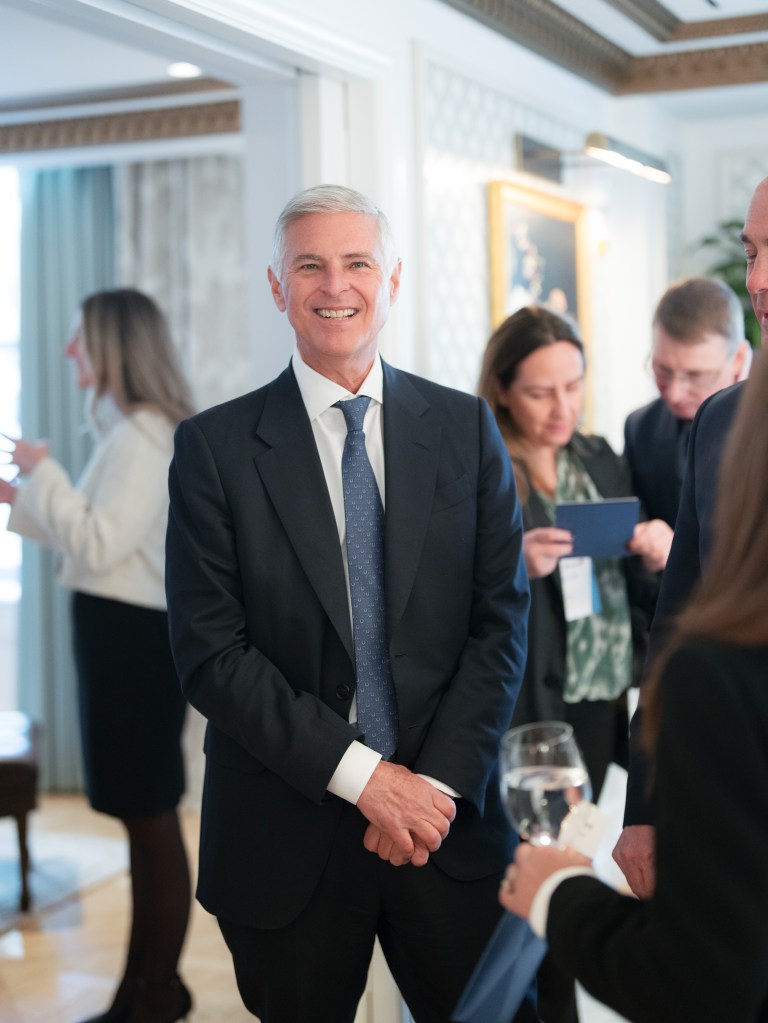
As we look ahead to 2027, it's clear that travelers are seeking something different. Rather than escaping life, they're looking to recalibrate their worlds by embracing unexpected discoveries, balancing structure with freedom, pairing intention with flexibility, and defining goals with new experiences. This reflects a broader behavioral shift that prioritizes creating space for discovery rather than scripting every moment.
At Hilton, we call this shift The Great Rebalance: a new era in travel where people are consciously seeking balance between work and rest, planning and spontaneity, adventure and restoration. They’re embracing a more phygital approach to travel, using technology to make the journeys easier and more personalized, while placing even greater value on human connection and meaningful hospitality. Travel is no longer just a break from everyday life – it has become one of the ways people navigate it.
Our 2027 Trends Report reveals how this mindset is reshaping travel in fascinating ways. Travelers are letting go of the pressure to create the “perfect" vacation in favor of experiences that feel more personal, flexible and authentic.
They're embracing "solo-ish" moments of independence without sacrificing connection; taking shorter but more intentional trips throughout the year; and looking beyond memorable experiences toward journeys that leave a lasting impact on their well-being, relationships and outlook on life. At the same time, human expertise, trusted recommendations and meaningful hospitality have never been more valued, even as artificial intelligence (AI) continues to make travel planning more personalized than ever.
We hope this report offers valuable insight into the behavioral shifts that are shaping the future of travel and hospitality. More importantly, we hope it inspires an industry-wide conversation about how we can help travelers find greater balance, deeper connections and more meaningful experiences – creating journeys that continue to enrich their lives long after they return home.

Chris Nassetta
President & Chief Executive Officer, Hilton
2027 Trends at a glance


Trend Nº 01
The Rise of 'Ish'
Today's travelers are embracing an "-ish" approach to travel, mixing and matching experiences that feel personally rewarding.
They might keep their morning fitness routine while splurging on truffle fries at lunch, or pair the thrill of discovering a new hobby with the comfort of a longtime favorite.
- Healthy-ish: When asked if they maintain or let go of healthy habits while on vacation, 27% were somewhere in the middle.
- Adventure-ish: 16% of travelers say they stay strictly within their comfort zone, while another 16% say they consistently push themselves to try unfamiliar things.
- Local-ish: 28% of people are more likely to try the restaurant everyone’s talking about or the one off the beaten path.
- Solo-ish: 41% of travelers plan to take a solo trip next year.
Healthy-ish
This "healthy-ish" mindset reflects a shift away from all-or-nothing thinking. Rather than striving for perfection, travelers are choosing what feels right in the moment—maintaining healthy routines while making room for indulgence. They may prepare a favorite breakfast before a busy day, stock the fridge with familiar snacks or enjoy a decadent dinner, tailoring each trip to fit their lifestyle rather than abandoning it.
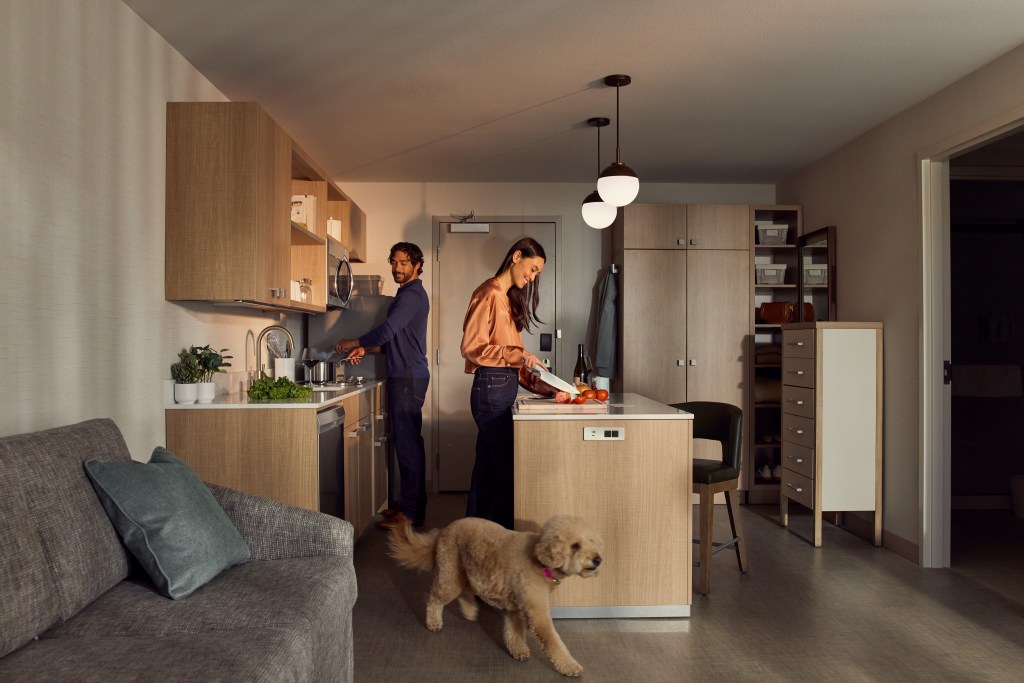
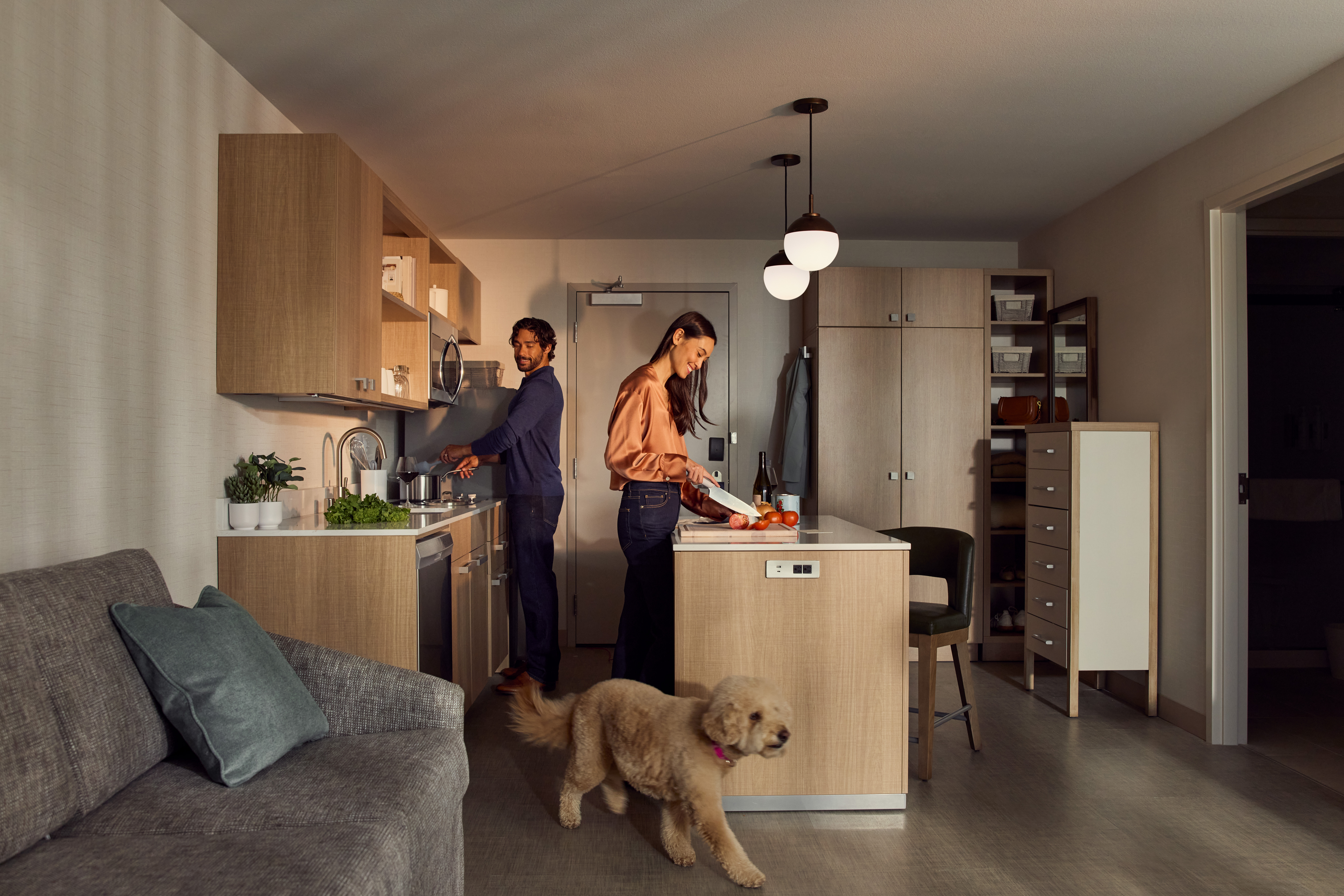
Having an in-room kitchen can also help travelers keep a healthy-ish diet. More than 60% of extended-stay travelers report that having an in-room kitchen is one of the most important amenities for a long stay.
The trend extends beyond food. At Tempo by Hilton New York Times Square, more than one in five cocktails ordered in the second half of 2025 came from the hotel's Free-Spirited mocktail menu, underscoring travelers' growing interest in choice and control rather than choosing between indulgence and intention.

Adventure-ish
That same mindset is reshaping how people approach vacations. While travel is meant to be relaxing, many still feel pressure to plan the “perfect” trip – feeling like they should see certain sights, they should keep everyone in their group happy, they should capture enviable social media photos, even if it’s not what they want to do.
Today, more than half of travelers (54%) report feeling some sort of pressure to have the perfect trip.
- 27% say they want to create the perfect trip for their children and family, with Millennials (32%) twice as likely to cite this as a source of pressure than Baby Boomers (16%)
- 24% report trying to accommodate a group and keep others happy
- 23% feel they have to do something just because a family member or friend recommended it
In response, some travelers are increasingly letting go of the pursuit of perfection. What sets these travelers apart is having a different mindset towards travel. They’re more likely to leave room for spontaneity and figure things out as they go (28%) than commit to a fixed itinerary (18%), and they prioritize what they personally want from a trip rather than what others expect.
More than half of Baby Boomers (51%) say they almost always do what they want on vacation and among that group (53%) never feel pressure – the highest across all generations.
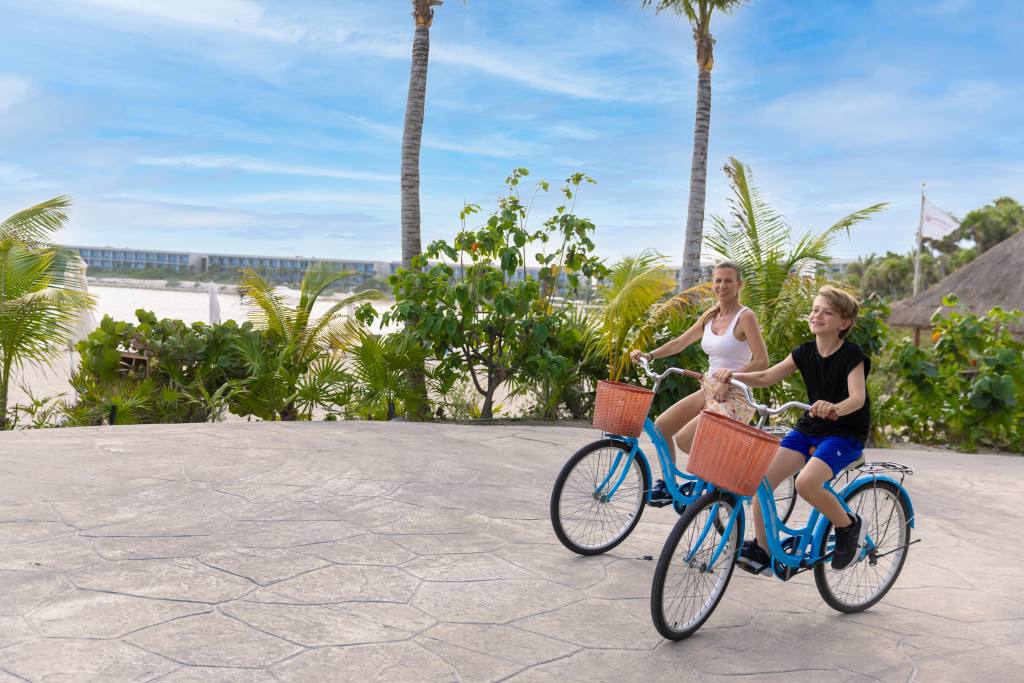
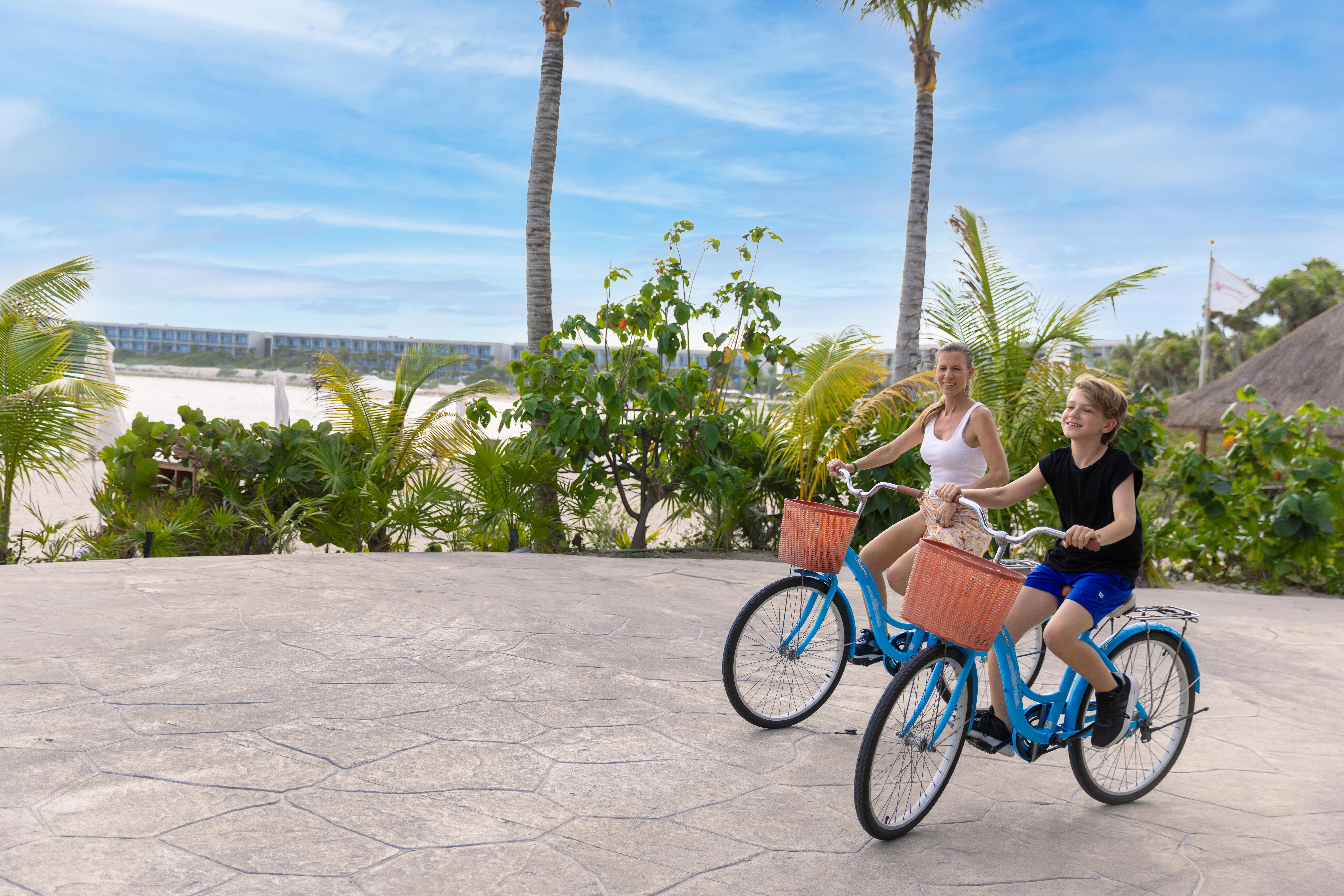
This shift is also reflected across Hilton's all-inclusive portfolio, where travelers can live in the moment instead of a carefully planned itinerary. At Zemi Miches Punta Cana All-Inclusive Resort, Curio Collection by Hilton guests have access to 17 restaurants, bars and lounges that make it easy to explore tastes throughout a stay. Meanwhile, Hilton Tulum Riviera Maya All-Inclusive Resort offers a variety of activities that range from cultural workshops and bike tours to yoga, aqua aerobics and beach volleyball, allowing travelers to follow their interests in the moment rather than build a minute-by-minute schedule.
LXR Hotels & Resorts’ Pursuit of Adventure program also brings this trend to life at the newly opened Sandblu Santorini in Greece where guests can embark on a guided philosophy walk through Santorini’s volcanic landscape and private ancient ruins, exploring the island’s layered history, enduring traditions, and deeper sense of place.
Local-ish
While travelers are letting go of chasing perfection, they are seeking that moment when they finally feel like they're on vacation. And increasingly, that feeling differs for many:
0%
Report it’s when they explore a new city, town or village
0%
Of parents say it’s watching their children experience something new
0%
Say it’s when they don’t have to think about cooking or cleaning
0%
Say it’s when they eat or drink something that’s not part of their usual diet
0%
Say that moment is when they arrive at their hotel or accommodation. Among Japanese travelers (47%), this is the most-cited moment they report truly feeling on vacation
For travelers who'd rather spend their mornings sleeping in or mapping out the day ahead, complimentary breakfast can be one of the most appreciated conveniences of a hotel stay. At many Hilton hotel brands, guests can enjoy a complimentary hot breakfast before heading out to sightsee, hike or explore. It offers flexibility for different travel styles, and its popularity is reflected across Hilton's portfolio—for example, guests at Hampton by Hilton enjoy approximately 30 million waffles each year.
That same desire for flexibility shapes how travelers define a successful vacation. Rather than measuring a trip by checking off every attraction, today's travelers prioritize experiences that fit their own needs—whether that's staying in a great hotel (38%), returning home feeling refreshed (53%) or simply visiting somewhere new (52%).
Travelers say they want to disconnect, but many are still traveling with social media front of mind.
While one-in-five travelers (21%) say that being able to disconnect is a sign of a good vacation, nearly one in three (29%) say they’re more likely to choose experiences on vacation based on what will make a good social media post than choose an experience that they desire. Vacations are now a balancing act between being present in the moment and curating an experience that is worth sharing afterwards.




Solo-ish
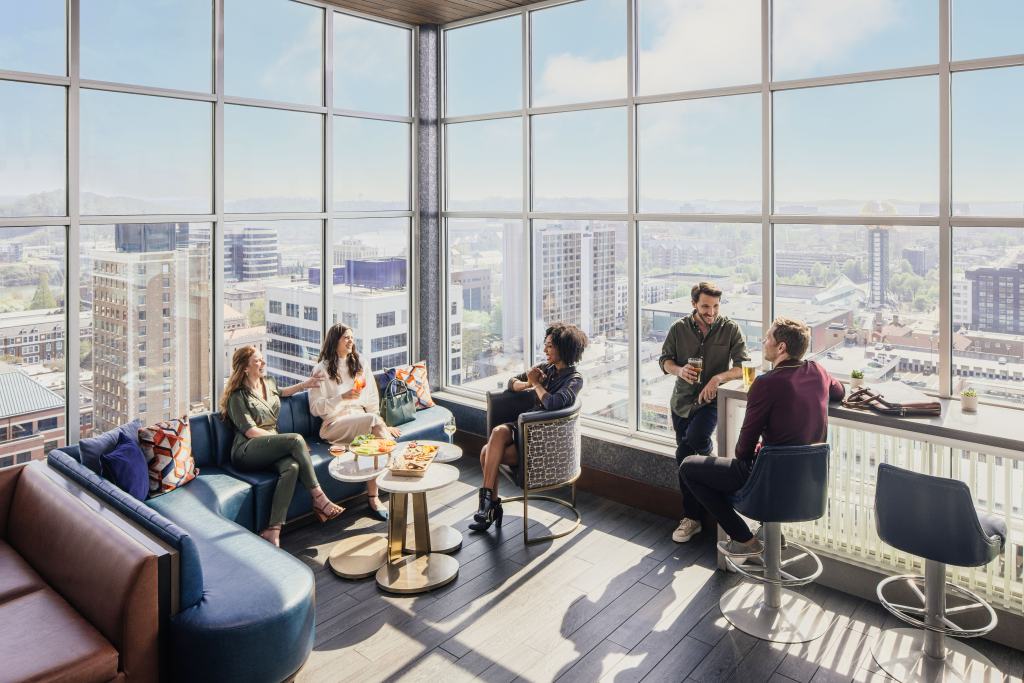
Rather than choosing between traveling alone or with others, many people are embracing a more flexible approach: "solo-ish" travel. Whether it's extending a business trip with a day or two of independent exploration, arriving early before a girls’ getaway begins, or joining a small-group journey with like-minded strangers, travelers are increasingly carving out time to experience destinations on their own terms.
This shift reflects a growing desire for autonomy without sacrificing connection.
0%
Forty-one percent of travelers are planning to take a solo trip in the next year, and for the vast majority (92%), it won't be their first.
But for many, "solo" no longer means being completely alone. Instead, it means creating moments of independence within a wider social, professional or group travel experience. Last year, three in ten (31%) traveled solo to meet up with people they know at a destination, 20% have booked a group excursion or day trip within an otherwise solo trip, and 16% joined a multi-day group tour where they didn’t know anyone.
For those planning solo trips, the biggest motivations are:
- Relaxing and recharging (42%)
- Having time for personal reflection and growth (28%)
- Having a flexible schedule or itinerary (28%)
- Not having to worry about or consider anyone else (27%)
- Enjoying solo time without feeling guilty (22%)
Rather than rejecting shared travel altogether, “solo-ish” travelers are striking a balance between connection and independence. They're seeking the freedom to follow their own interests while still enjoying the benefits of being with colleagues, friends or fellow explorers – proof that the future of travel isn't necessarily solo, but “solo-ish.”
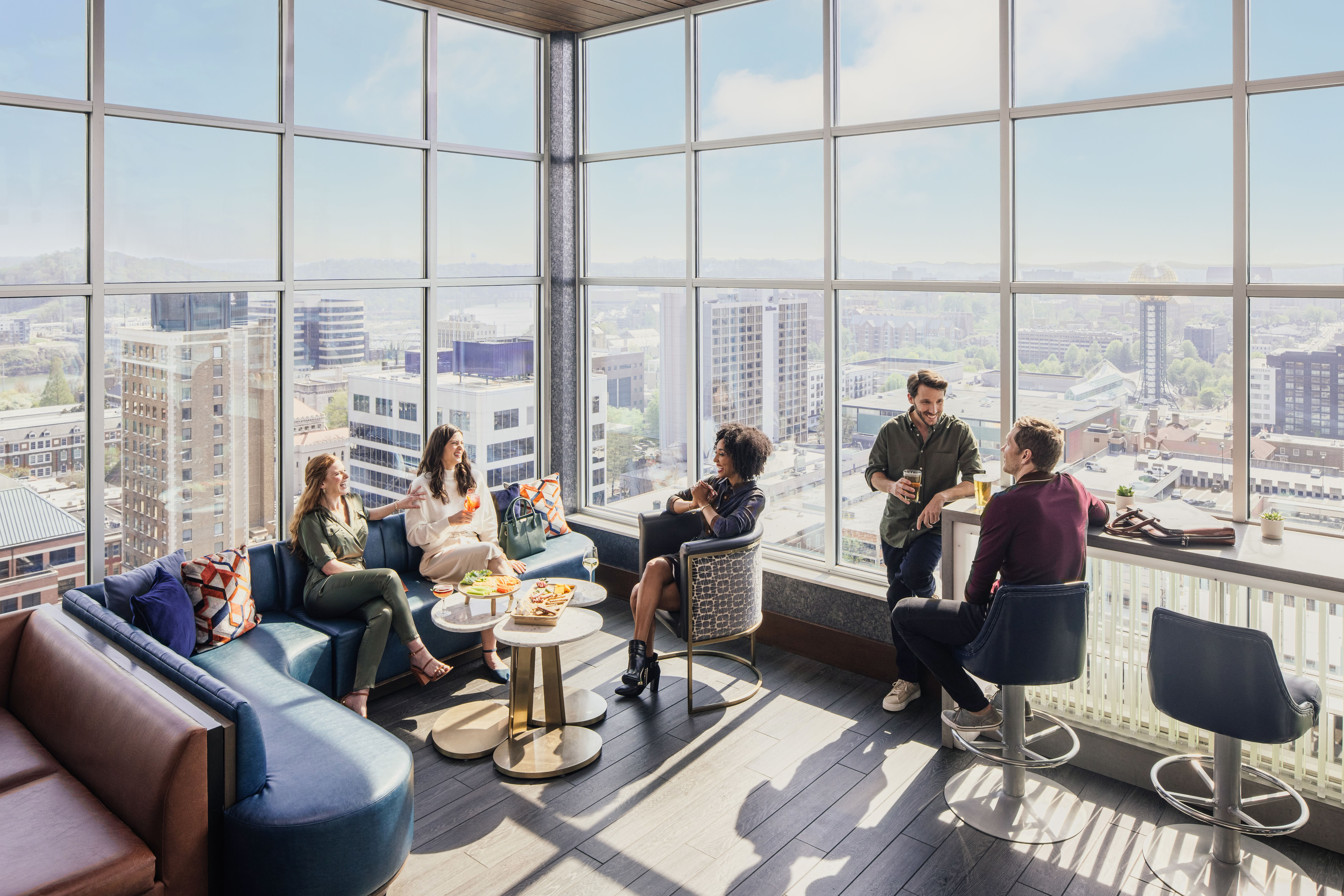
Designed for the "solo-ish" traveler, Motto by Hilton pairs compact guest rooms with flexible layouts and moveable furniture with lively social spaces that encourage connection. More than half of the brand's worldwide reservations over the past year were for solo guests. Gathering spots like Junto at Motto by Hilton Bentonville Downtown and the buzzy street-level restaurant and bar Lulla at Motto by Hilton New York City Chelsea offer opportunities to meet others, while locations like Motto by Hilton Rotterdam City Centre offer quick access to sights, restaurants and more.
Similarly, guests staying at more than 260 Embassy Suites by Hilton hotels worldwide can gather at the brand's complimentary evening reception, offering a relaxed opportunity to connect with others without the pressure of dining or socializing alone.
Trend Nº 02
The Travel Trust Equation
While artificial intelligence (AI) and digital innovations have expanded travel-planning tools, data show that human expertise remains invaluable.
Digital tools, including AI, may provide a starting point, but travelers place the greatest value on firsthand recommendations and local insight.
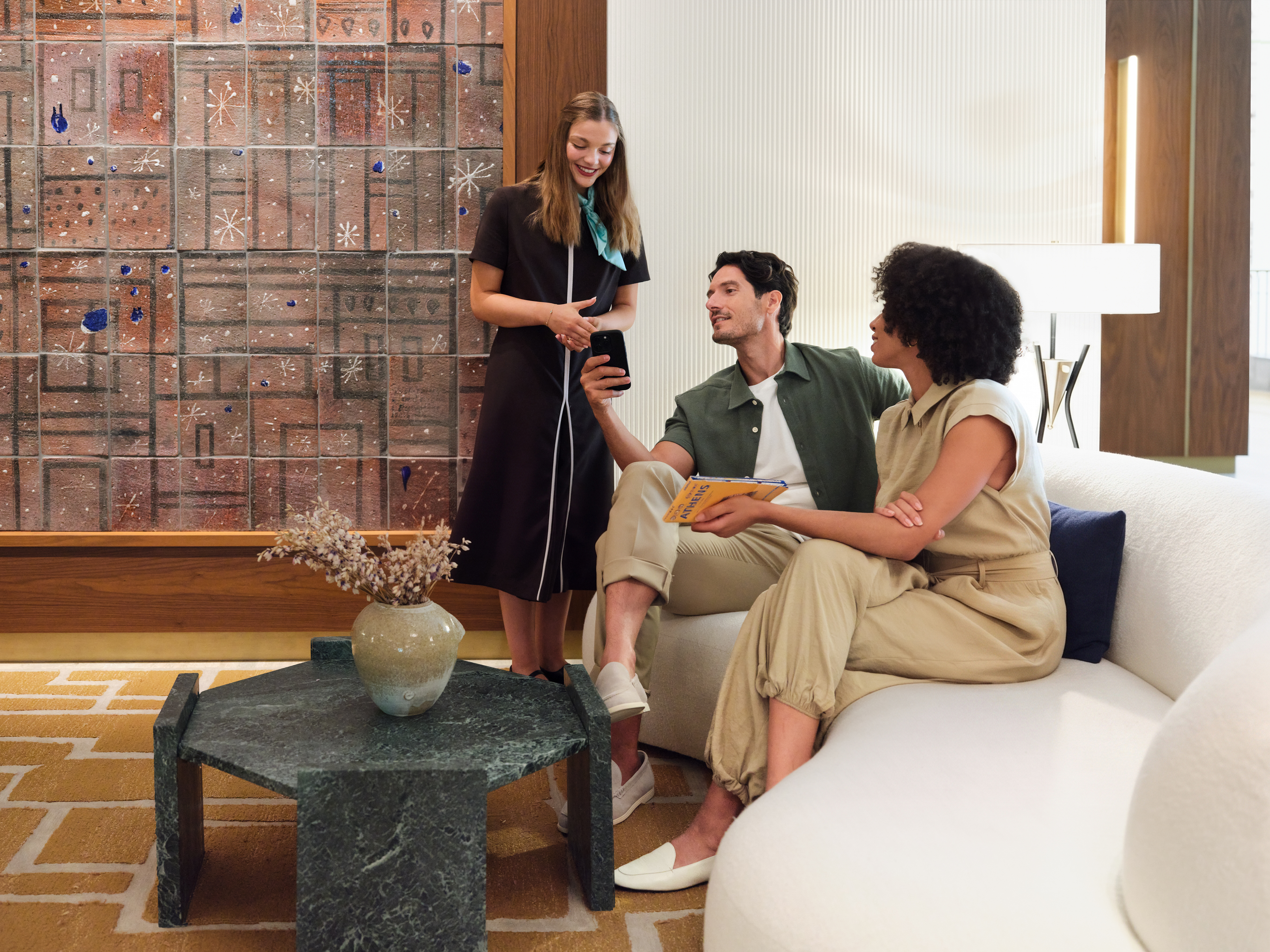
Once the journey begins, many travelers look beyond the algorithm. Does that restaurant really live up to the hype? Which neighborhood has the best atmosphere tonight? Where do locals actually go? Increasingly, they're turning to hotel team members for answers rooted in lived experience rather than online reviews.
Concierge and team member recommendations aren't crowdsourced—they're shaped by years of local knowledge and an instinct for matching guests with experiences they'll genuinely enjoy. Travelers are still seeking a human touch.
At the same time, loyalty has evolved beyond a rewards program into both a travel strategy and a status symbol. As travelers increasingly dream, redeem and are rewarded, elite status has become a visible signal of experience that influences the decisions of others. Together, these shifts are creating a new viewpoint for phygital innovation, coined the Travel Trust Equation: AI accelerates discovery, human expertise builds confidence and loyalty validates experience. Rather than competing, these forces work together to shape how—and how confidently—people travel.
0%
Of travelers trust hotel staff as a travel planning resource
The Human Recommendation
While 70% of travelers report trusting hotel staff as a travel planning resource, 63% trust AI tools when making travel decisions. However, trust declines when AI is asked to handle more nuanced travel decisions. Just 22% trust AI to create an itinerary tailored to their interests, 20% trust AI to recommend restaurants or bars, and only 18% trust AI to uncover lesser-known local experiences.
Attitudes also vary by generation. Millennials are the most likely to embrace LLM recommendations leading all age groups in trusting AI to create itineraries (26%), suggest restaurants (23%) and provide travel inspiration (23%). Baby Boomers, by contrast, consistently place greater trust in human expertise, relying on travel agents and hotel staff across a range of travel decisions.
Regionally, Chinese travelers are leading the adoption of AI-powered trip planning, with 35% planning to use general AI tools and 21% planning to use dedicated AI travel planners. In the U.S., however, hotel staff remain the most trusted source for specific recommendations, cited by 26% of travelers for restaurant suggestions and 25% for discovering hidden local experiences.
Launched in March 2026, the Hilton AI Planner helps travelers quickly build personalized itineraries. As of August 2026, guests had engaged in more than 18,000 conversations, with Orlando, Aspen, the Caribbean, Chicago and New York City among the most-searched destinations.


A-List Ratings
0%
When it comes to travel decisions, family members remain travelers' most trusted source of advice (87%).
Within the family, however, trust is far from evenly distributed. Overall, partners and spouses are the most trusted travel advisors (51%), followed by siblings (16%) and mothers (13%).
Life stage also plays a significant role in decision making. Once people become parents, trust shifts decisively toward their partner: 60% of parents say their partner or spouse is the family member they trust most when making travel decisions, compared to just 37% of non-parents. Before becoming parents, travelers are far more likely to rely on their own family members for guidance. Among travelers who trust their family the most, one in five non-parents (20%) say their mother is their most trusted source of travel advice, falling to just 8% among parents. Siblings follow a similar pattern, with 22% of non-parents naming them as their most trusted advisor, compared to 12% of parents.
As families evolve and change, so do trusted advisors. Among Baby Boomer parents, influence increasingly flows in the opposite direction, with 29% saying their children have become their most trusted source of travel guidance. Meanwhile, despite being the first generation raised with high digital literacy skills, Gen Z travelers are twice as likely as Millennials to turn to their parents for trusted travel recommendations, highlighting the enduring value of family advice across generations.
Points-Maxxing as a Status Signal
Trust doesn't stop with family and friends. Increasingly, travelers are looking to people who have demonstrated travel expertise through experience—points-maxxers. In an era of endless online recommendations, elite loyalty status has emerged as shorthand for credibility – signaling that someone has traveled widely, knows how to navigate the system and can unlock benefits others might miss.
This is creating a new class of trusted travel influencers: not celebrities or content creators, but experienced loyalty members within people's own social circles. The friend with Hilton Honors Diamond Reserve status or the colleague who always seems to secure upgrades often becomes the group's unofficial travel advisor, helping shape decisions about where to stay, how to maximize rewards and which experiences are worth prioritizing.
- Nearly two-thirds (64%) of travelers who have loyalty status take pride in it
- 43% agree that having loyalty status is a sign of personal success
- One in three (29%) say they are jealous of friends who have travel loyalty status greater than their own
Hilton Honors Diamond Reserve launched in November 2025 as an even more exclusive tier of benefits for the ultimate points-maxxer.
The data suggest travelers recognize this expertise. Nearly half (49%) agree that people with travel loyalty status have more influence on group travel decisions, while 50% say they are more likely to trust recommendations from someone with loyalty status than someone without it.
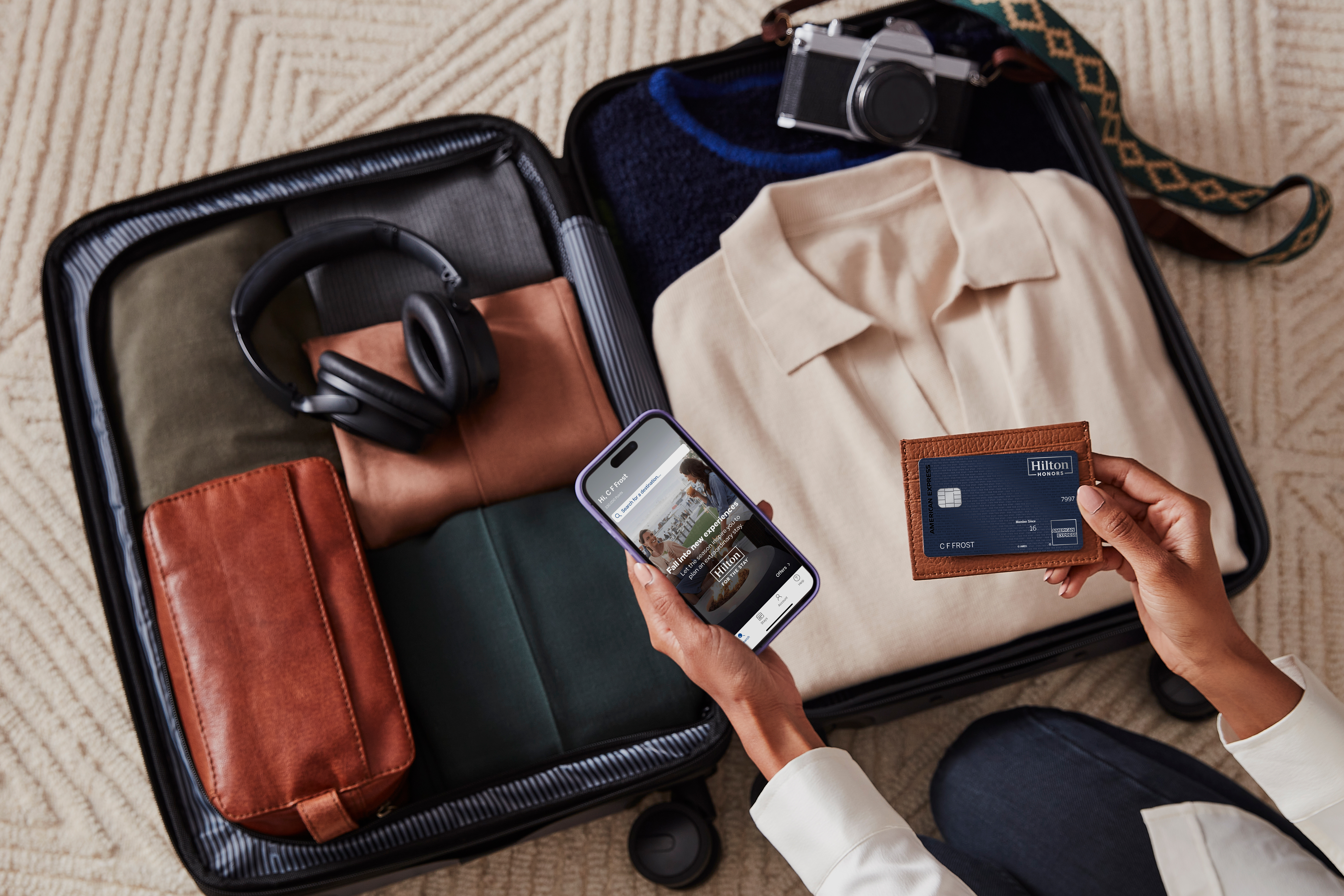
At the same time, loyalty is becoming a lifestyle strategy that extends beyond the trip itself. Travelers are seeking elite status with travel brands to showcase their expertise and then "points-maxxing" by turning everyday spending and social occasions into opportunities to earn rewards, transforming points into a form of social currency. Whether it’s the road warrior who is traveling 120 nights a year or the Hilton Honors American Express® Card Member earning Points on everyday purchases, more travelers are looking to maximize the value of their loyalty status. Benefits like no blackout dates, partner earning and redemption opportunities, room upgrades, guaranteed late checkout and exclusive member perks are becoming increasingly important.
In the first half of 2026, Hilton Honors delivered more than 1 million automated upgrades to members. Since Hilton partnered with Lyft in 2019, members have earned over 7.7 billion Hilton Honors Points on rides, demonstrating how loyalty is increasingly woven into and creating more opportunities to earn toward future stays and travel experiences.
As travelers place more value on loyalty status and rewards, they are becoming increasingly willing to change their behavior to earn, maintain and maximize benefits: 38% say they would take a trip specifically to earn or maintain their travel loyalty status.
- Three in ten (30%) loyalty members have booked accommodations for a group using their own account to earn rewards.
- One in four (25%) have put an entire restaurant or bar tab on their card specifically to accumulate points to redeem for future travel.
In the emerging travel trust equation, loyalty status is evolving from a perk into a form of social proof. Points and status are no longer just rewards for past trips – they are signals of experience that help travelers decide who, and what, to trust.


Trend Nº 03
Growth Getaways
People are increasingly using travel as a catalyst for personal growth.
The anticipation of a trip, the experience itself and the impact it has afterward are all part of a broader desire for transformation.
Travelers want to return home as better versions of themselves—whether with a new perspective, mindset, habit or routine. They're seeking experiences that extend beyond the trip itself, shaping everyday life long after checkout. That might mean attending a concert or sporting event that shifts their outlook, discovering a new hobby or trying a different approach to cooking.
At its core, this reflects a new definition of travel value. Rather than measuring a trip solely by what happens while they're away, travelers increasingly value experiences that continue to enrich their lives after they return home. Growth Getaways are journeys whose impact lasts well beyond checkout.


The Beforeglow
The benefits of travel can begin long before departure. We call this period The Beforeglow: the emotional and motivational lift that starts the moment a trip is booked.
- Three in four travelers (76%) agree that having a trip on the calendar gives them a purpose to work toward
- For 71%, having a trip booked motivates them to follow through on a personal goal
- The prospect of a fixed event date (concert, race, game, festival) motivates 61% of people to book travel and commit
- 60% say that after traveling, they are more likely to make a change they have been avoiding
Sports & Entertainment
For many travelers, the most transformative trips are anchored by a moment they can't experience anywhere else. Whether it's attending a live concert, running a marathon or witnessing a major cultural event, experiences often become lasting memories long after the trip ends. In fact, 21% claim that music, entertainment, and pop culture experiences have changed them for the better.
Hilton already supports race-related travel all over the world. For example, New York Hilton Midtown is a host hotel for the New York City Marathon, welcoming more than 150 athletes during marathon weekend, while Hilton Beijing Tongzhou has served as the official designated hotel for the BOB Beijing MC Marathon for four consecutive years. At Conrad Chongqing, runner-focused amenities—including mapped running routes, hydration stations, cooling towels, sunscreen and post-run essentials—help guests stay race-ready. And Hilton Garden Inn Silverstone in the United Kingdom, welcomes over 1,000 track-facing hospitality guests each day during the British Grand Prix, delivering unforgettable race-day experiences from one of the most iconic viewing locations.
Collegiate sports are also a major motivator for travel. Properties like Graduate by Hilton Bloomington in Indiana and Graduate by Hilton Ann Arbor in Michigan are located within a mile of their respective campuses, making them ideal for basketball or football weekends.
Hilton Honors also makes one-of-a-kind events easier for guests to access. Through Hilton Honors Experiences, members can bid Points to access events ranging from concerts and sporting events to awards shows. In 2026, more than 81 million Hilton Honors Points were redeemed across six Miami Grand Prix packages through Hilton’s long-standing partnership with the McLaren Mastercard Formula 1® Team, giving travelers access to moments that create memories long after the event itself.

Return on Experience
Personal growth can take many forms, from discovering a new sport to embracing a wellness or skincare routine inspired by time away. As travelers plan their trips, 74% choose where to stay based on the experience or feeling they hope to have.
Increasingly, the most valuable souvenir isn't something travelers pack—it's a new perspective, healthier habits or a lasting shift in mindset.
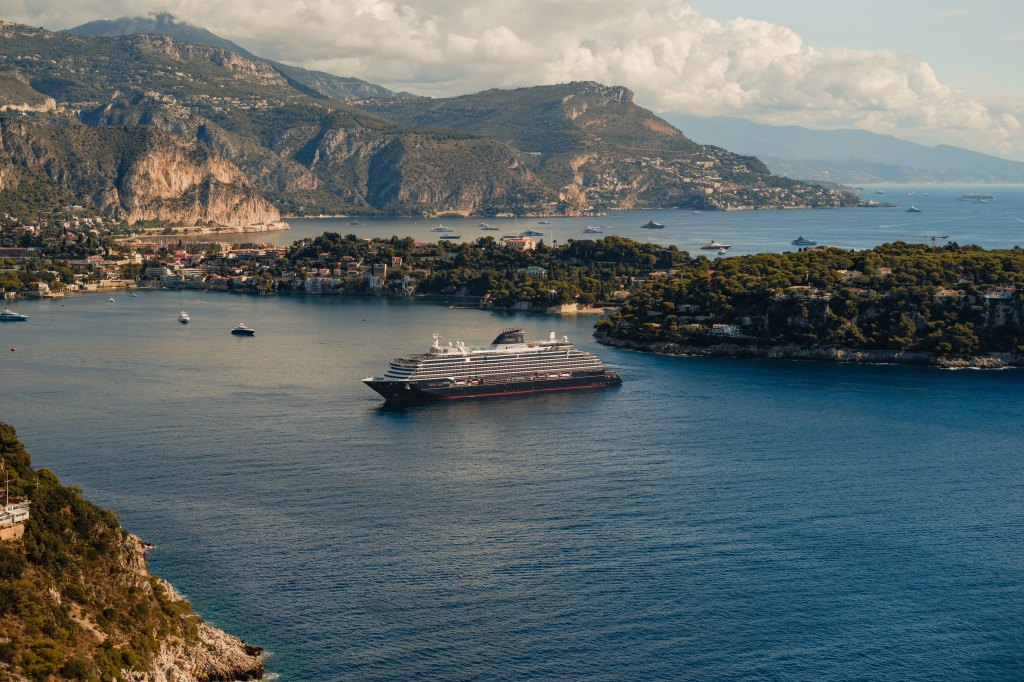
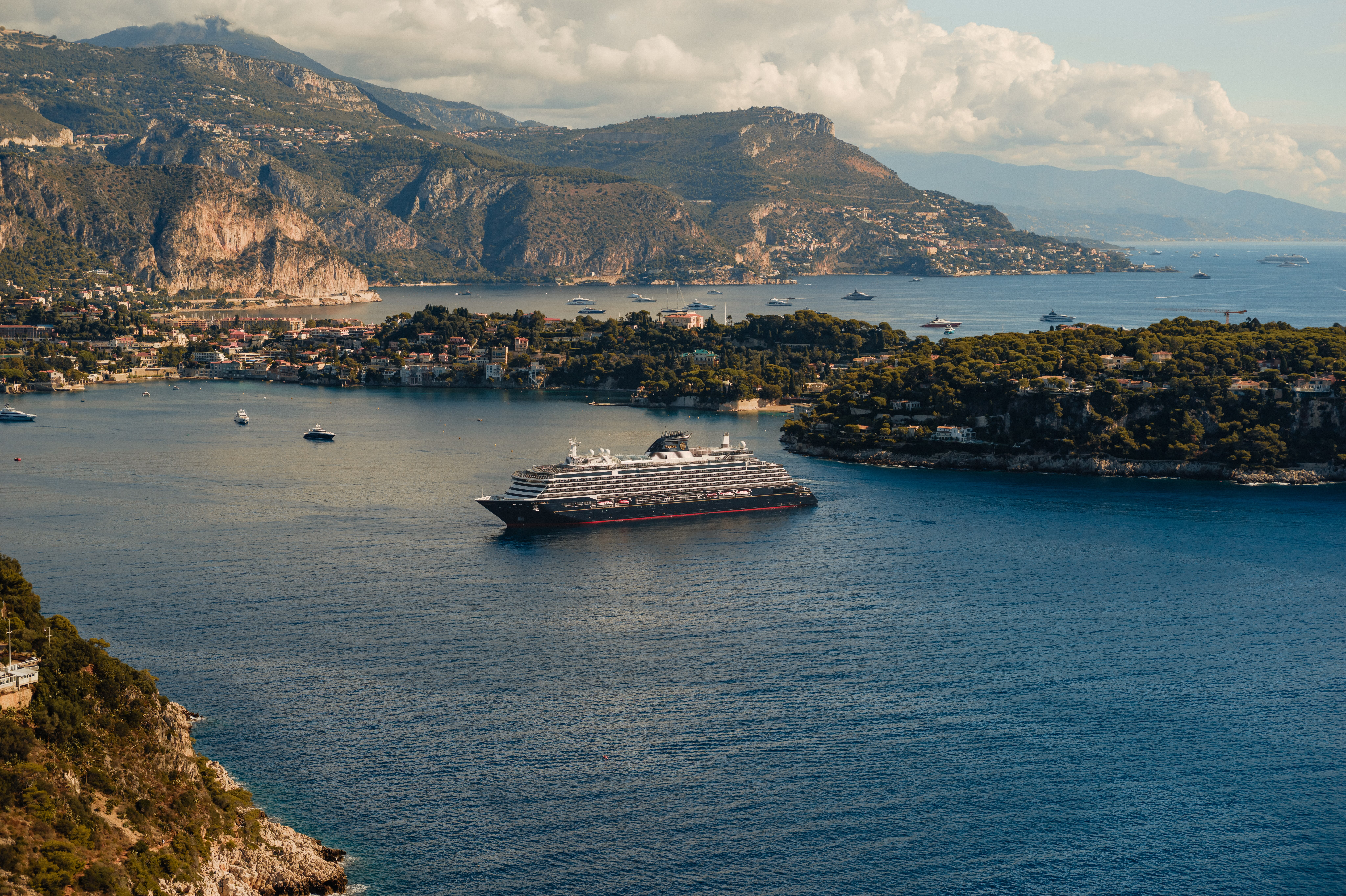
As travelers seek experiences that broaden their horizons, they're also looking for new ways to make those experiences possible. More than half of Hilton Honors members surveyed (55%) agree that using Points would enable them to take a cruise they otherwise wouldn't. Through Hilton's partnership with Explora Journeys, members can earn and redeem Points on luxury ocean Journeys, opening the door to new destinations, cultures and ways of traveling they may not have otherwise considered.
In the year ahead, they’re seeking very specific goals; heading out with the intention of coming back changed:
0%
Of travelers hope to bring stronger relationships or better connections with the people they care about, making it the most sought-after travel outcome
0%
Of travelers want to return from a trip with a renewed sense of purpose or motivation
0%
Of travelers are traveling to get a new perspective that changes how they see their everyday life
Nearly 1 in 4 travelers (23%) want to return from a trip with a healthier routine they can realistically stick with
Gen Z travelers are nearly 2 times more likely than Baby Boomers to hope travel leads to a new hobby or interest they can keep pursuing at home
Skillcations
Hotel programming that encourages new skills or hobbies isn’t just a nice-to-have. In fact, 42% of travelers say that travel helped them discover new interests or passions. Skillcations are trips that expand abilities, and deliver long-term dividends for travelers. As travelers increasingly seek experiences that create lasting impact beyond the trip itself, Hilton offers opportunities to discover new perspectives and interests.
0%
Say that education or self-growth in the form of learning a new language, mastering a skill or working abroad helped them grow and evolve
At Conrad Tokyo, the Conrad 1/3/5 program offers unique cultural experiences that range from sword-making to a private Ukiyo-e masterclass to Tokyo OCHA Tea Nights. At ROKU KYOTO, LXR Hotels & Resorts, guests can discover new creative passions, like washi-paper making or Kintsugi pottery mending. Families can spark lifelong passions in younger travelers, from introductory scuba diving at Hilton Barbados Resort and Delfins Beach Resort Bonaire, Tapestry Collection by Hilton—where dozens of guests participate each month—to Hawaiian cultural experiences at Grand Wailea, a Waldorf Astoria Resort. In 2026 alone, more than 6,000 travelers have visited the resort's Kilohana Cultural Resource Center for ukulele and craft classes, guided cultural tours and lessons in Hawaiian history and traditions.
As travelers increasingly seek experiences with lasting personal value, the definition of a successful trip is evolving. The most meaningful journeys are not simply the ones travelers remember – but the ones that continue to influence how they think, live and grow once they return home.


Vacation Trend Nº 04
Wellness, Rewired
As travelers seek greater balance in their lives, their approach to wellness has evolved into a blend of digital technologies and analog practices, bringing together nature, technology and human connection.

While the tools and experiences may be changing, one thing remains constant: travelers view travel as a restorative experience and are increasingly seeking opportunities to enhance their wellbeing while also connecting more deeply with the destinations they visit.
More than one-third (34%) say trips centered on rest, recovery and holistic wellness have helped them grow or change in some way. Nearly two-thirds (65%) actively seek experiences that calm the body and reset the nervous system, while 76% say travel enables them to recharge mentally and physically in ways they can't easily achieve at home.
As wearable devices and digital health tools provide deeper insights into sleep, recovery and overall wellbeing, travelers are increasingly pairing those insights with experiences that help them reconnect with their surroundings, local culture and one another. The result is a more integrated approach to wellness, where balance is less about disconnecting and more about combining the best of the digital and physical worlds.
In response, demand is growing for wellness experiences that use innovation to deliver personalized, measurable, and restorative outcomes.
At Conrad Washington, DC, guests can experience Aescape, an AI-powered massage technology that delivers personalized bodywork tailored to individual needs and schedules. On average, nearly half of Aescape bookings (48%) are for 30-minute sessions, while more than half (54%) take place after 4 p.m., reflecting travelers' growing preference for personalized, technology-enabled recovery experiences that fit seamlessly into the natural rhythm of their day. At Signia Hilton Indianapolis, Signia Restore is a new integrated wellness concept that reimagines how travelers train, recover and recharge while away from home, bringing together high-performance fitness, advanced recovery technologies, personalized wellness guidance and curated retail in one holistic experience.
From January to June 2026, 8.2 million Hilton Honors Points were redeemed on the 50-Minute Moon Phase Massage at Waldorf Astoria Spa Los Cabos Pedregal through Hilton Honors Experiences.

Grounding One’s Self
While technology is playing a growing role in wellness, nature remains an important part of the equation. As travelers navigate increasingly connected lives, many are still turning to nature as a source of restoration, seeking experiences that help them slow down, gain perspective, and reconnect with their surroundings. Whether through time outdoors, immersive natural environments, or nature-inspired design, these experiences provide a welcome counterbalance to the pace and demands of modern life.
Conrad Tulum Riviera Maya has expanded its wellness offerings from two to 11 immersive experiences over the past three years. Today, approximately 20% of wellness reservations include options such as traditional limpia purification journeys, shaman-led experiences, and fire ceremonies that deepen guests' connection to place. At Waldorf Astoria Costa Rica Punta Cacique, wellness practitioners lead holistic experiences inspired by Chorotegan traditions, including sacred smoke cleansing, guided breathwork and volcanic mud rituals.
Nearly eight in ten (79%) say fresh air and the outdoors are essential to how they relax while traveling, and more than half (54%) spend more time immersed in nature while traveling than they do at home, and 35% would book a hotel specifically for outdoor spaces designed for relaxation, reflecting a growing demand for experiences that seamlessly blend hospitality, wellness and the natural world.
Beyond the spa, time spent outdoors is becoming a catalyst for personal growth. Whether exploring remote landscapes, encountering wildlife, or simply disconnecting in nature, these experiences leave a lasting impact.
0%
More than one-quarter (28%) of travelers say outdoor and wildlife bucket-list experiences have helped them grow, evolve, or change in some way.
But wellness in nature isn't always about slowing down. For many travelers, it is about discovery, experiencing a destination through outdoor adventure and active exploration. At Conrad Bali, for example, the Foraging & Forest Bathing journey combines kayaking, rainforest trekking, foraging, and a waterfall-side lunch, immersing guests in the island's lush natural beauty while fostering a deeper connection to place.
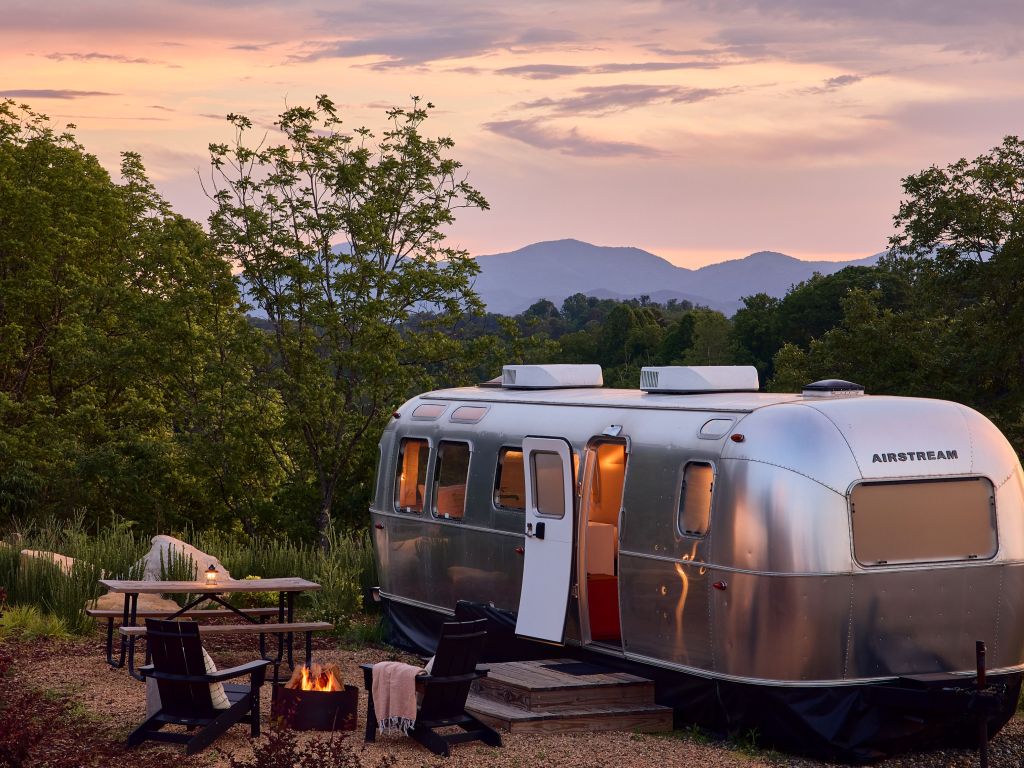
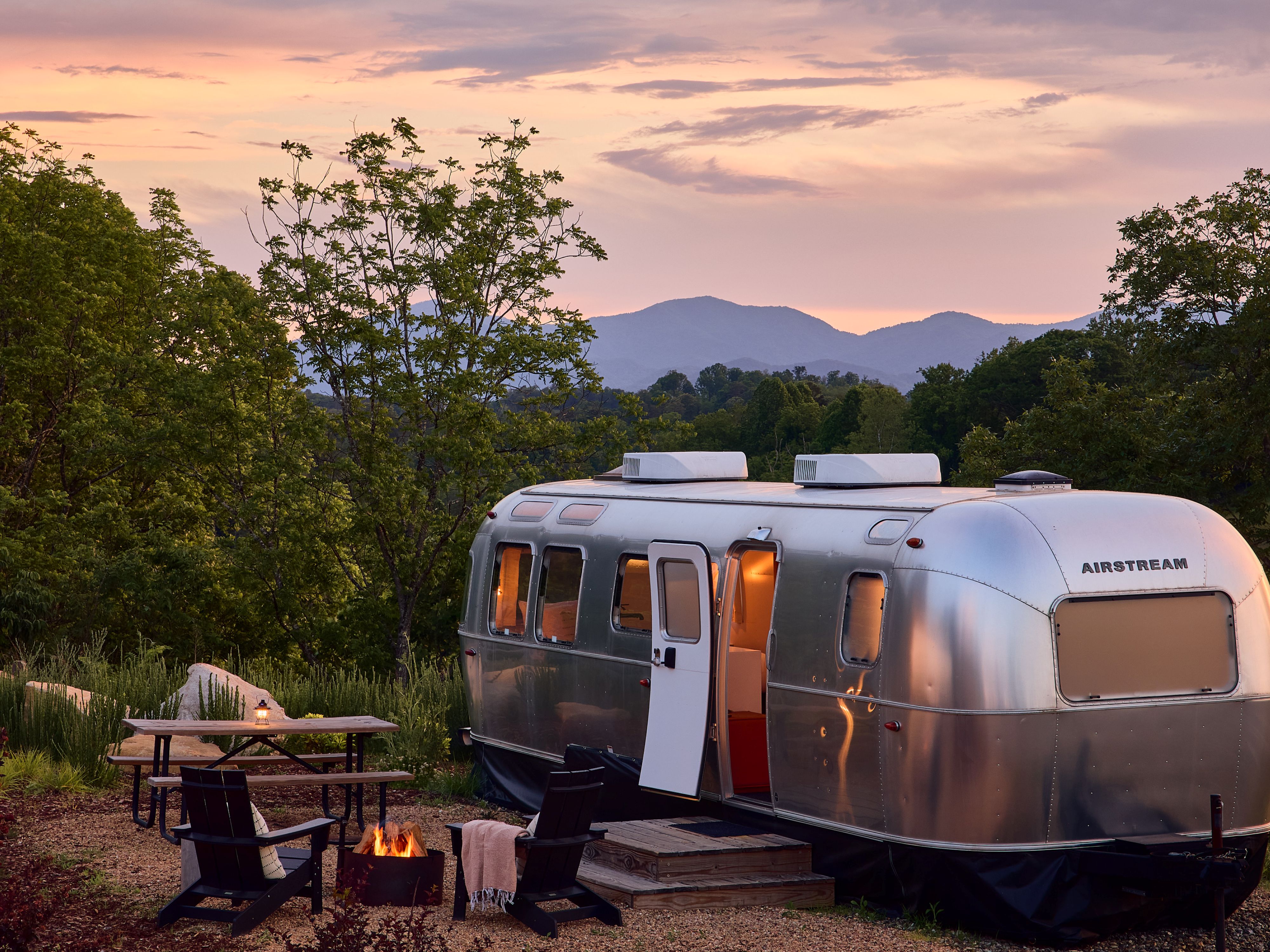
For many travelers, that connection to nature begins with where they stay. Slackline Moab, Outset Collection by Hilton, is designed as a basecamp for exploring nearby Arches and Canyonlands National Parks, while Hilton Yala Resort immerses guests in the wildlife and landscapes of Sri Lanka's Yala National Park. From the towering forests surrounding AutoCamp Yosemite to the backdrop of the Blue Ridge Mountains near AutoCamp Asheville, travelers can wake up steps from some of the country's most iconic landscapes and end the day around a campfire under the stars. Since the partnership launched in July 2024, AutoCamp has distributed over 6,000 s’mores kits to Hilton Honors Diamond members, helping guests make the most of evenings around the campfire.
From Hydrotherapy to Human Connection
Travelers are increasingly seeking hotels where water and hydrotherapy experiences are a defining part of the guest experience rather than simply another amenity.
0%
More than six in ten (61%) are more likely to engage in water-based wellness experiences while traveling
0%
While 60% say they're even more drawn to these experiences when they can share them with others
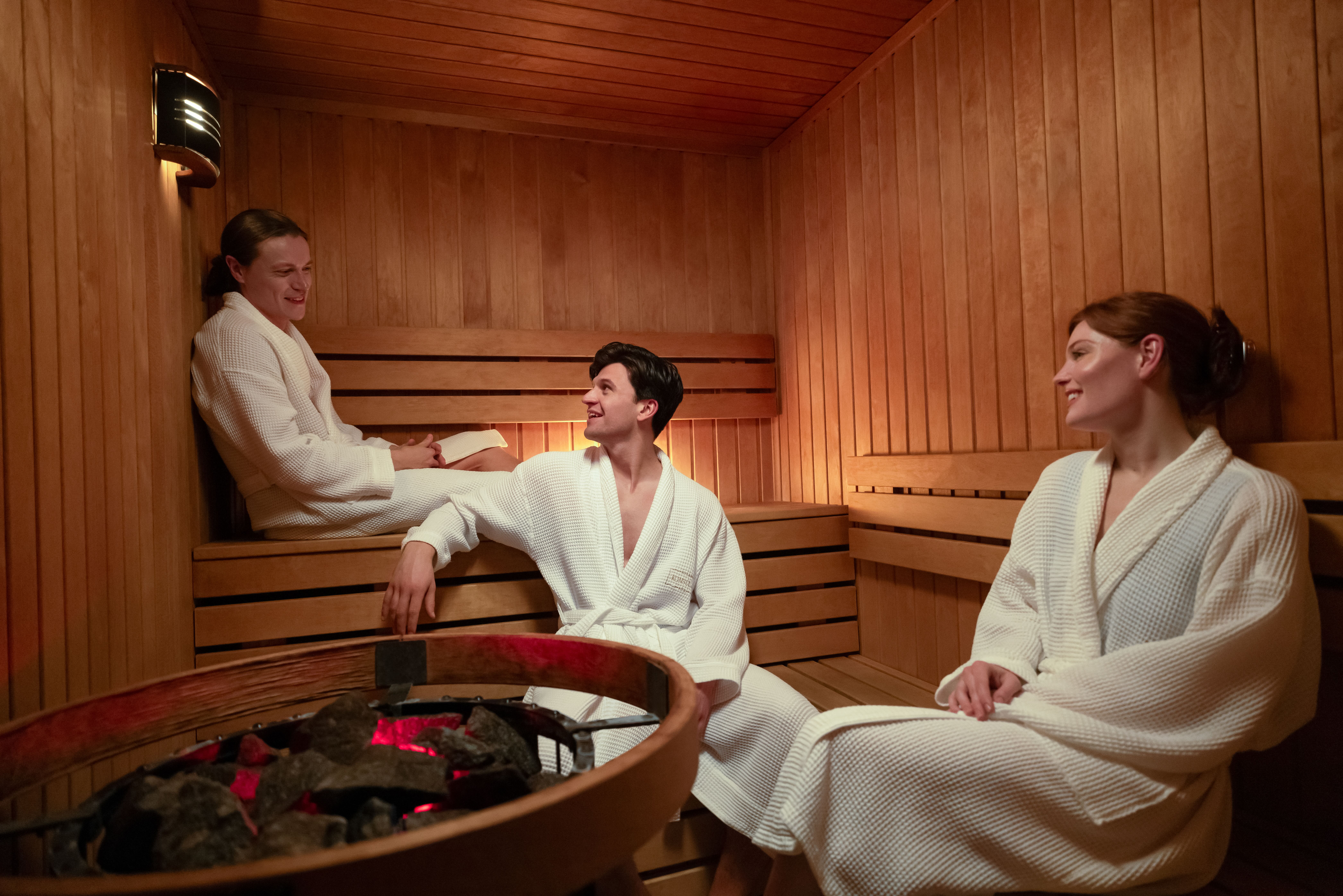
Nearly one-third (29%) would book a hotel solely because it has an on-site pool, while 20% would choose an accommodation specifically for its sauna or steam room.
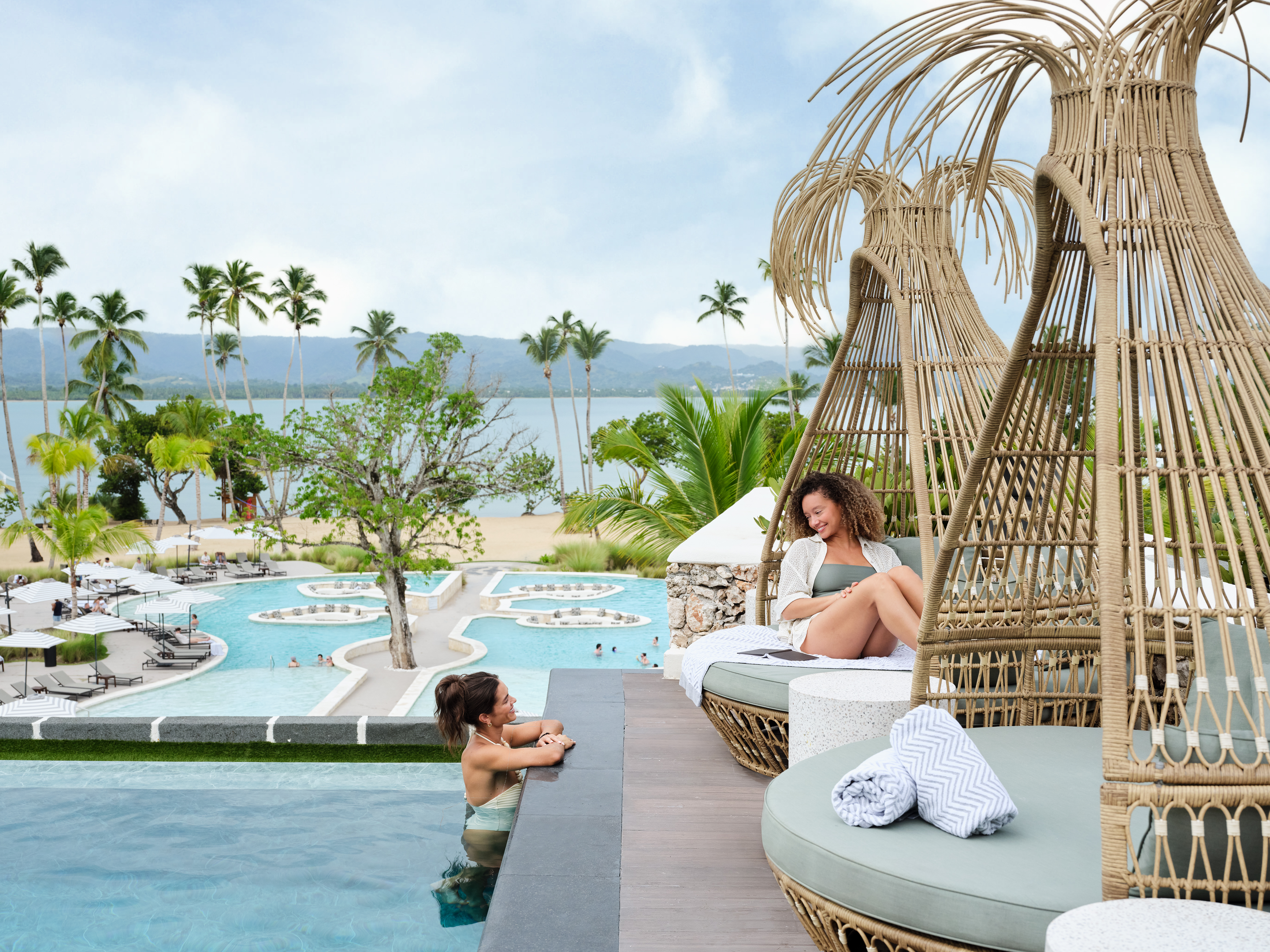
As a result, water and thermal experiences are expanding beyond spas. Hotel design is evolving to place these facilities at the center of the guest experience. Pools, saunas, cold plunges, hydrotherapy circuits, and bath houses are becoming essential spaces for sensory restoration, social connection, and intentional rest.
Travel can also unlock opportunities to experience water and thermal traditions that are deeply rooted in a destination’s culture and heritage. Inspired by Japan’s ryokan traditions, ROKU KYOTO, LXR Hotels & Resorts invites guests to immerse themselves in Kyoto’s only natural outdoor onsen pool where mineral-rich hot springs flow year-round amid the serene beauty of the Takagamine foothills. At Conrad Punta de Mita, guests can participate in a traditional Huichol Temazcal ritual, combining herbal steam, meditation, and purification before retreating to a secluded spa pool.
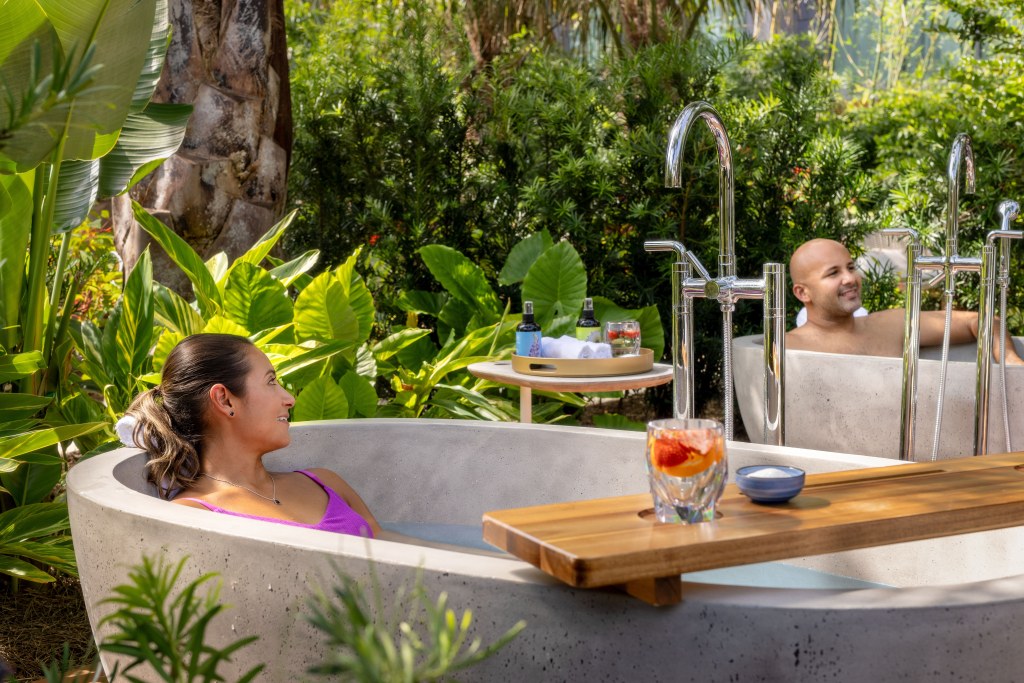
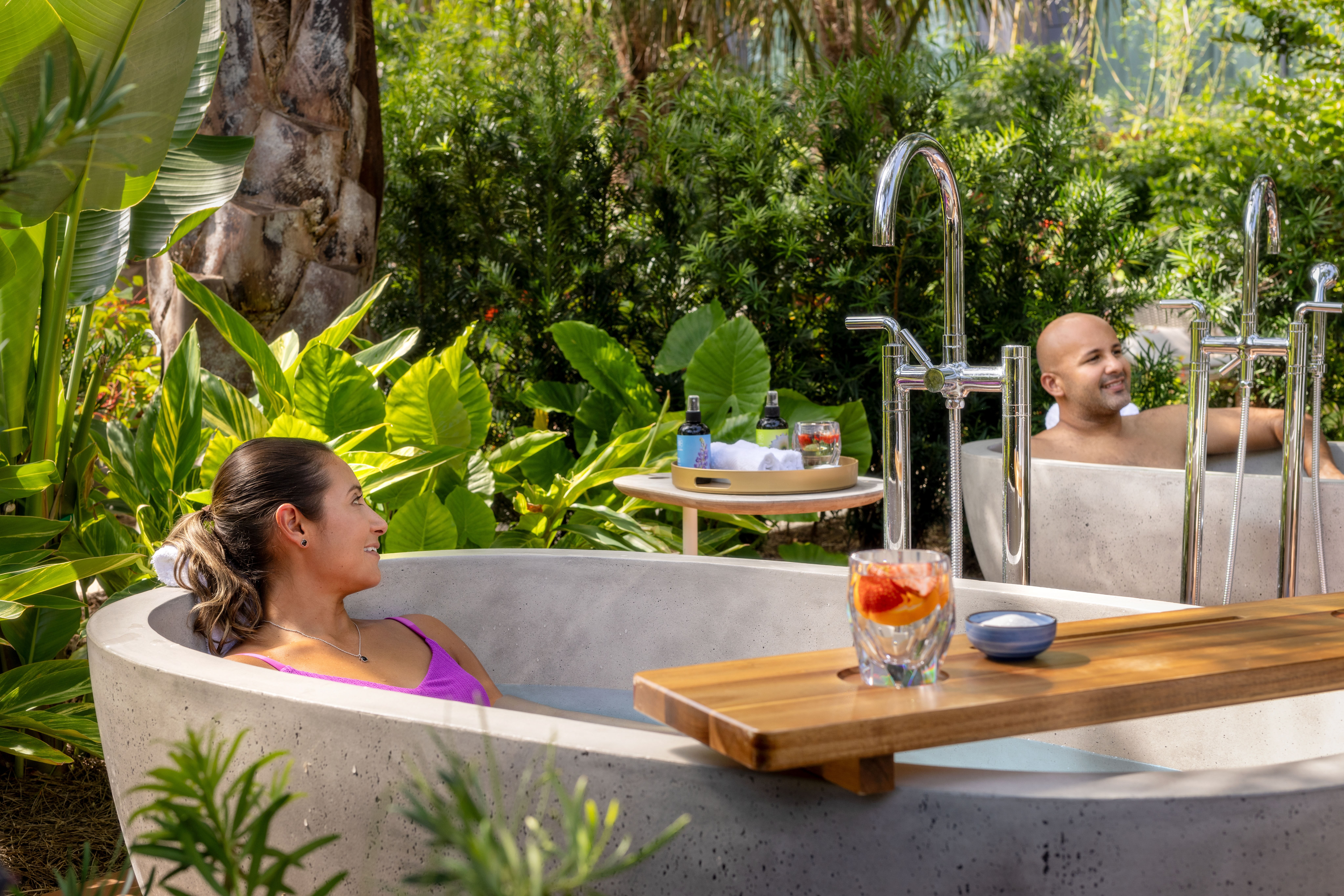
Meanwhile, at Conrad Orlando guests can experience Florida’s natural environment through the resort’s outdoor Water Garden, a hydrothermal experience designed to reflect the destination’s unique climate and landscape. Growing demand for the offering highlights travelers’ increasing interest in wellness experiences that connect them to place, with monthly outdoor bath treatments increasing 60% year over year.
Designed to both calm and energize, 54% of travelers are interested in heat-centered, water experiences, or hydro wellness, for their 2027 travels. Waldorf Astoria Maldives Ithaafushi is home to the Maldives’ first Aqua Wellness Centre, featuring a custom-designed hydrotherapy pool, ice fountain, steam room, and sauna. Thoughtfully designed with zones that target different areas of the body, the experience uses varying water temperatures, therapeutic jets, and massage features to stimulate circulation, support immune function, and promote deeper, more restorative sleep.


Trend Nº 05
The Micro-Travel Mindset
In an era when time feels increasingly scarce, travelers are rethinking how they spend it.
As work, family life and other commitments shape people's schedules and priorities, many are opting for shorter, more frequent escapes that are easier to plan, easier to execute and easier to fit into everyday life. As travelers look to next year, 21% are adding more short trips to their travel plans. But while micro-travel is rising across demographics, the motivations behind it, and the ways people maximize limited time away, are divided.
How Long is Short?
What qualifies as a micro-trip varies widely by market and life stage. In the U.S., 88% of travelers define a short trip as fewer than three to four days. Japan and South Korea have the narrowest definition, with most travelers considering a short trip to be fewer than two days (86% and 59%, respectively). By contrast, travelers in Saudi Arabia and Germany take a broader view, as the most likely of any market surveyed to consider a short trip five to six days or longer (29% and 26%, respectively).
Regardless of how they're defined, short getaways are becoming an increasingly flexible travel strategy. More than one-quarter of parents (26%) that plan to travel in the next year say they plan to take more short trips over the next 12 months. Among solo travelers who expect to travel more, 24% plan to increase the number of short trips they take, while 40% intend to add a mix of both short and longer getaways.


Capacity Crunch
As lives become busier, travelers are rethinking how they allocate their travel time, opting for shorter lower-lift escapes taken more frequently throughout the year. Rather than giving up travel, people are choosing trips that slot easily into packed schedules – proving that in the age of limited bandwidth, ease and immediacy matter more than ever.
Nearly one third (29%) are doing so because shorter trips allow them to travel more spontaneously
26% of U.S. travelers say it’s because short trips make it easier to say “yes” to destinations that are quick or easy to get to
0%
One in four (25%) of travelers who are employed and plan to take more short trips say they’re looking for more frequent shorter trips so they can fit travel around their work schedule
Maximize The Time You Have
As travelers embrace shorter, more frequent getaways, every hour of a trip counts—and time-saving tools that simplify the stay experience are becoming increasingly important.
From January 1-July 1, 2026, guests used Hilton's Digital Key more than 67.4 million times, helping them move seamlessly from arrival to room, and 69.2% of guests reported that Hilton’s digital messaging platform improved their stay. During the same time period, more than 8 million guests completed Digital Check-Out—a 25% increase compared with the same period in 2025.
And when there’s no time for the grocery store or finding the best restaurants, travelers may fall back to familiar meal delivery options to enjoy a favorite or try a locally recommended option through Grubhub Onsite at Homewood Suites by Hilton, Home2 Suites by Hilton, Hampton by Hilton, Spark by Hilton, and Tru by Hilton hotels.
Hours of sleep also matter when time is limited. Nearly one-third (32%) of travelers say they would book a hotel specifically for spaces designed for deep rest and sleep. At YOTEL properties, 94% of Members rated the bed comfort 5/5, and 1 in 3 cited the SmartBed or sleep quality as the reason they book or return to YOTEL.















The Micro-Trip Divide: Selectors vs Stackers
Micro-trips were once defined by action-packed weekend getaways, with travelers eager to fit as much as possible into a few short days. In 2027, however, the category is becoming more nuanced. As shorter trips become a regular part of people's travel habits, travelers are taking different approaches to making the most of their time away.
On one side are the Selectors. These travelers build a trip around one defining experience – a concert, a coveted restaurant reservation, a sporting event or a challenging hike. For them, a short getaway is an opportunity to focus on what matters most.
0%
More than half (51%) of travelers say they like to plan trips around a single experience
0%
While 31% say they are taking more short trips so they can explore more places
0%
20% say these breaks give them something to look forward to throughout the year
The forthcoming Waldorf Astoria London - Admiralty Arch, in the heart of St. James’s, will offer a remarkable home base for travelers looking to experience the best of London, especially if short on time. Set within one of the capital’s most iconic landmarks on The Mall, opposite Buckingham Palace, the hotel will offer unparalleled views across London from its rooftop.
On the other side are the Stackers, who see a short trip as an opportunity to pack in multiple quick-fire experiences. Two-thirds (67%) like to plan travel that allows them to experience a lot in a short amount of time, while 63% prefer to stay somewhere central with plenty to do nearby. More than half (57%) enjoy visiting multiple cities in one trip, 55% feel they're wasting a vacation day if they don't have an activity planned, and 29% of those taking more short trips say they do so because it allows them to travel more spontaneously.
Whether guests are traveling as Selectors or Stackers, Hilton's brands are adapting to different ways of experiencing time. At Conrad Hotels & Resorts, the new Conrad 1/3/5 program lets guests tailor cultural discovery to the time they have available, with concierge-curated itineraries lasting one, three or five hours. Experiences range from a one-hour Premium Sake Journey at Conrad Tokyo to a five-hour Foraging & Forest Bathing experience at Conrad Bali.
These are the findings of a survey conducted by Morning Consult on behalf of Hilton between May 18-June 1, 2026, among a total sample of 14,744 next 12-month travelers (ages 18+) in the United States, Mexico, Brazil, Colombia, United Kingdom, Germany, Türkiye, United Arab Emirates, Saudi Arabia, Australia, China, India, Japan and Korea. Overall, the margin of error is ~1% in total. For an individual market, the margin of error is closer to 3%, on average. The 2027 Hilton Trends Report was developed in association with Globetrender, the UK's leading travel trend forecasting agency, serving as a contributor agency to the report.